List of contents
Do you know the definition and characteristics of wetlands? In Indonesia there are two types of land, namely dry land and wet land.
Biodiversity in wetlands is much higher compared to biodiversity in dry lands because of the combination of aquatic and terrestrial ecosystems in wetlands.
UNDERSTANDING WETLANDS
In general, a wetland can be defined as an area on land that is flooded with water either permanently or seasonally.
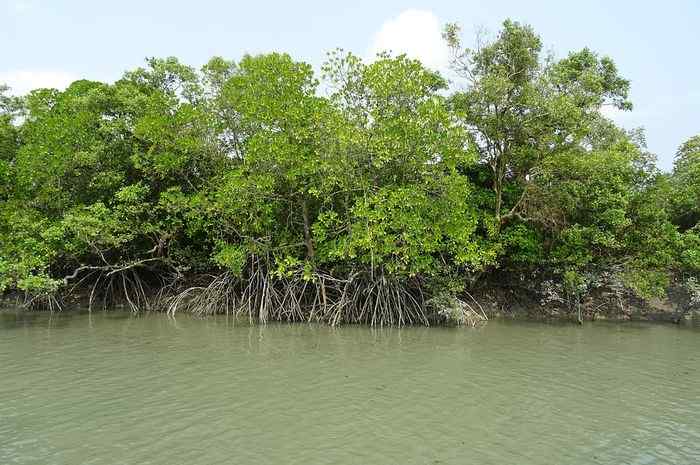
Wetland ecosystems consist of swamps, rivers, rice fields, peat forests, lakes, mangrove forests and so on.
According to the Ramsar Convention
According to the Ramsar Convention, wetlands are areas of natural or artificial swamps and peatlands, permanent or temporary, with static or flowing water, fresh water, brackish or salt water, including areas of sea water with a depth at low tide of less than 6 meters.
According to Intan and Koestoro
Wetlands are transitional ecosystems, namely between aquatic ecosystems and land ecosystems, where the water regime dominates and where plants have good adaptability to saturated or waterlogged land conditions.
CHARACTERISTICS OF WETLANDS
Wetlands have special characteristics that differentiate them from other types of land. What are the characteristics of wetlands? The following is the explanation.
Has High Biodiversity
One of the characteristics of wetlands is that they have high biodiversity.
Living creatures, namely humans, animals and plants, will definitely choose to live on land where there are lots of water reserves to survive.
Wetlands have high biodiversity, namely plants and animals, because they have large water reserves.
Flooding is permanent or seasonal
Wetland means that the land on the land is inundated with water and the water that inundates the land can be permanent or seasonal.
It is said to be permanent if the land is always flooded with water at all times and it is said to be seasonal if the water only floods in certain seasons, for example only in the rainy season.
The land is saturated with water
A land can be said to be a wetland if the soil is saturated with water. The name wetland itself indicates that the soil of the land is flooded with water.
The land is fertile
One of the characteristics of fertile soil is that the soil contains a lot of water. Wetlands certainly contain a lot of water, therefore one of the characteristics of wetlands is that the land is fertile.
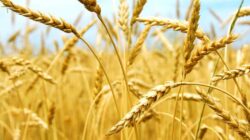
Wetlands are usually used as agricultural land with various types of plants.
Part or all of the area is flooded with shallow water
The next characteristic of wetlands is that above the land there is a shallow layer of water. This shallow layer of water inundates part or all of the land surface.
WETLAND FUNCTIONS
Wetlands are a very important system for nature and living creatures.
Therefore, the existence of wetlands must continue to be preserved because if wetlands are damaged, the sustainability of a number of flora and fauna that live in wetlands will be threatened. Wetlands play a very important role in agriculture and fisheries. There are several other functions of wetlands, namely as follows.
Wetlands Can Protect from Natural Disasters
One of the benefits of wetlands is that they protect against natural disasters, one of which is flooding.
Wetlands can protect against the threat of natural disasters, namely floods, because wetlands can accommodate and absorb rainwater.
If the number of wetlands decreases in an area, the rainwater storage area will also decrease, making it easier for flood disasters to occur in that area.
Wetlands Are a Source of Clean Water
Some of the water that inundates wetlands goes into the ground to become a water reserve and the other part flows into rivers and other waterways to become a surface water source.
Wetlands Are a Source of Prosperity
This type of wetland can be used as a local economic driver by using the wetland as best as possible without destroying the wetland itself, for example using it for agricultural land.
Wetlands Store Carbon
One of the advantages of wetlands is that they are able to store surface carbon or top carbon earth.
Some flora that live around wetlands are able to absorb carbon dioxide and then release oxygen into the air.
If the wetland is wider, the amount of carbon dioxide absorbed by plants will be greater and the supply of oxygen into the air will be greater.
Not only that, if we conserve wetlands we can reduce carbon emissions and also increase human ability to adapt to climate change, human welfare and increase biodiversity.
Wetlands Can Become Recreational Areas
Another benefit of wetlands is as a recreational and educational area. The unique wetland landscape can be used as a natural recreation area and can also be an educational facility for school children.
That is the discussion regarding the Definition and Characteristics of Wetlands. Hopefully it can be useful.
All content and articles published on DomainJava.com are provided solely for informational and educational purposes. We strive to present accurate, relevant, and useful information, but it is not intended to violate any laws, policies, or guidelines. Any use of the information contained in the article Definition and Characteristics of Wetlands is entirely the responsibility of the reader.